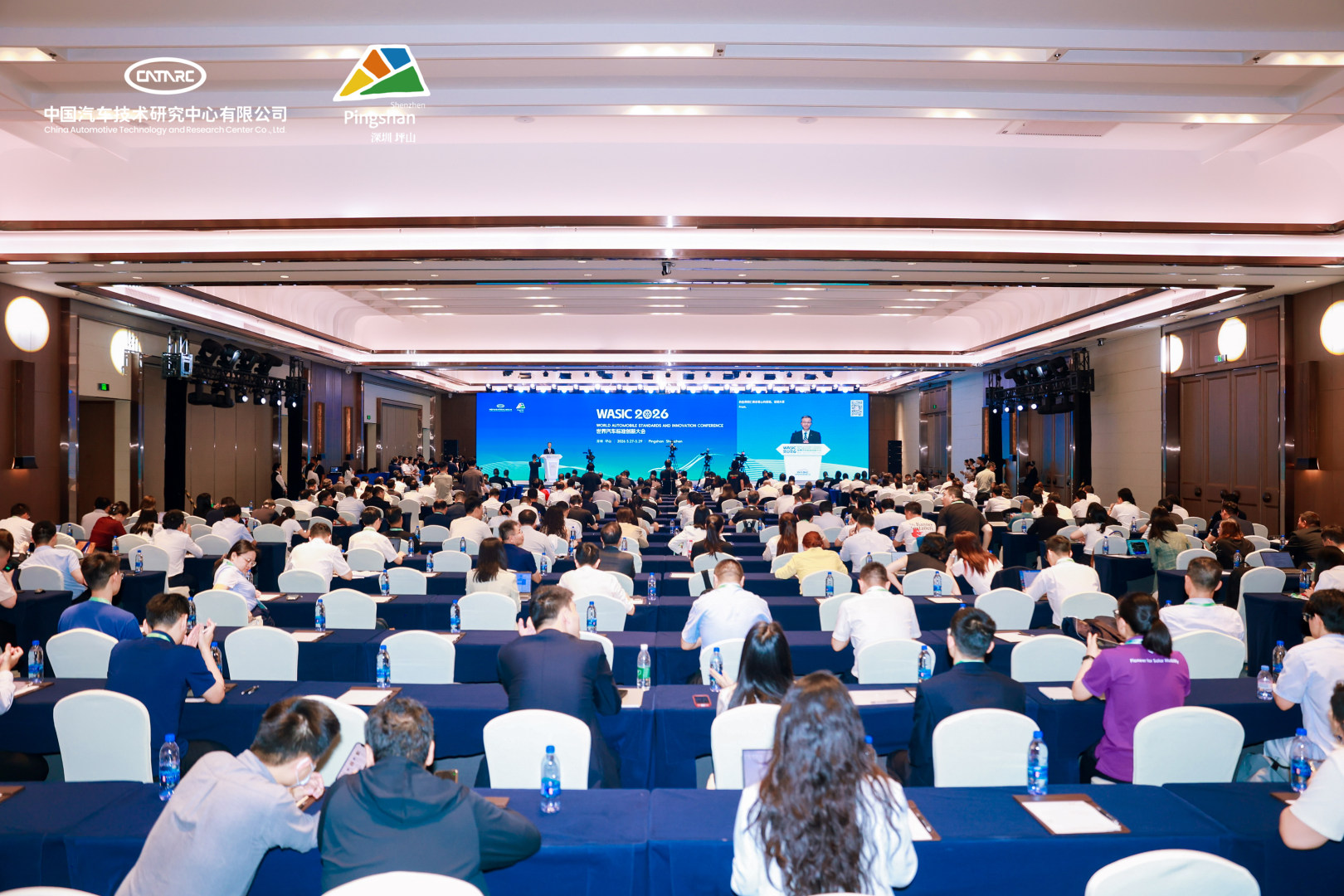
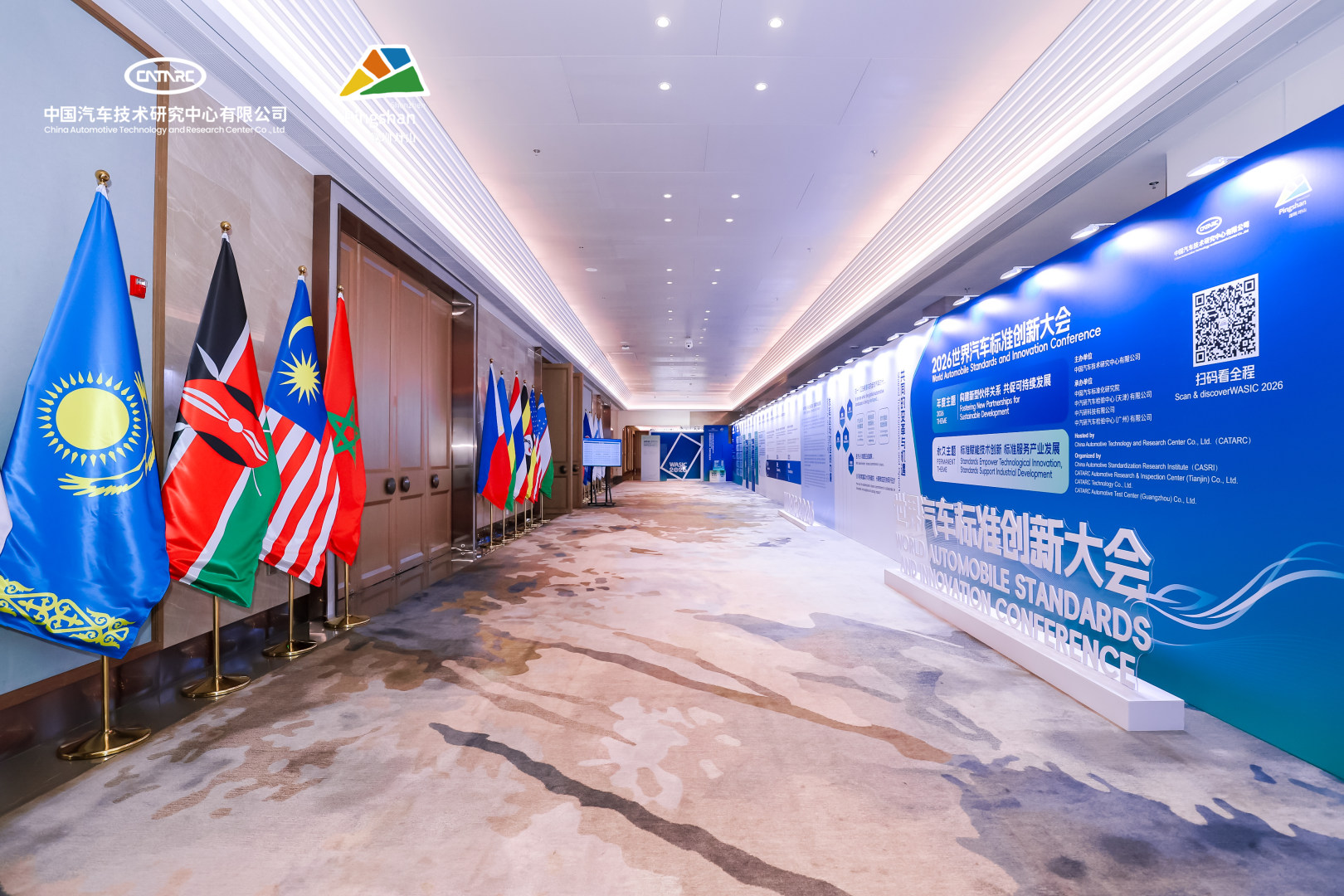
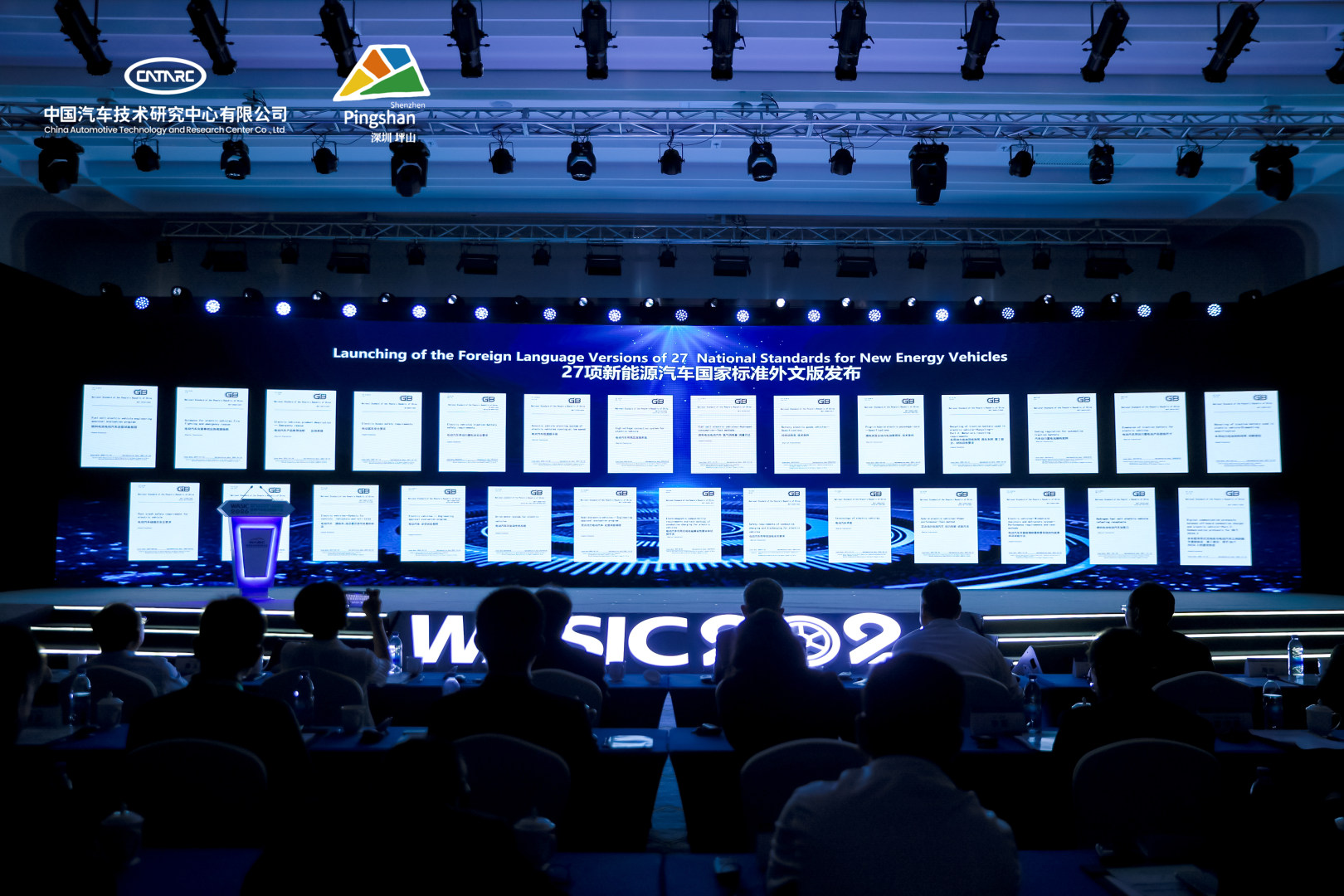
On 28 May 2026, the 2026 World Automotive Standards Innovation Conference was successfully held in Shenzhen, China. The event was organized by China Automotive Technology and Research Center Co., Ltd. (CATARC), together with its affiliated standardization, testing and technology institutions.
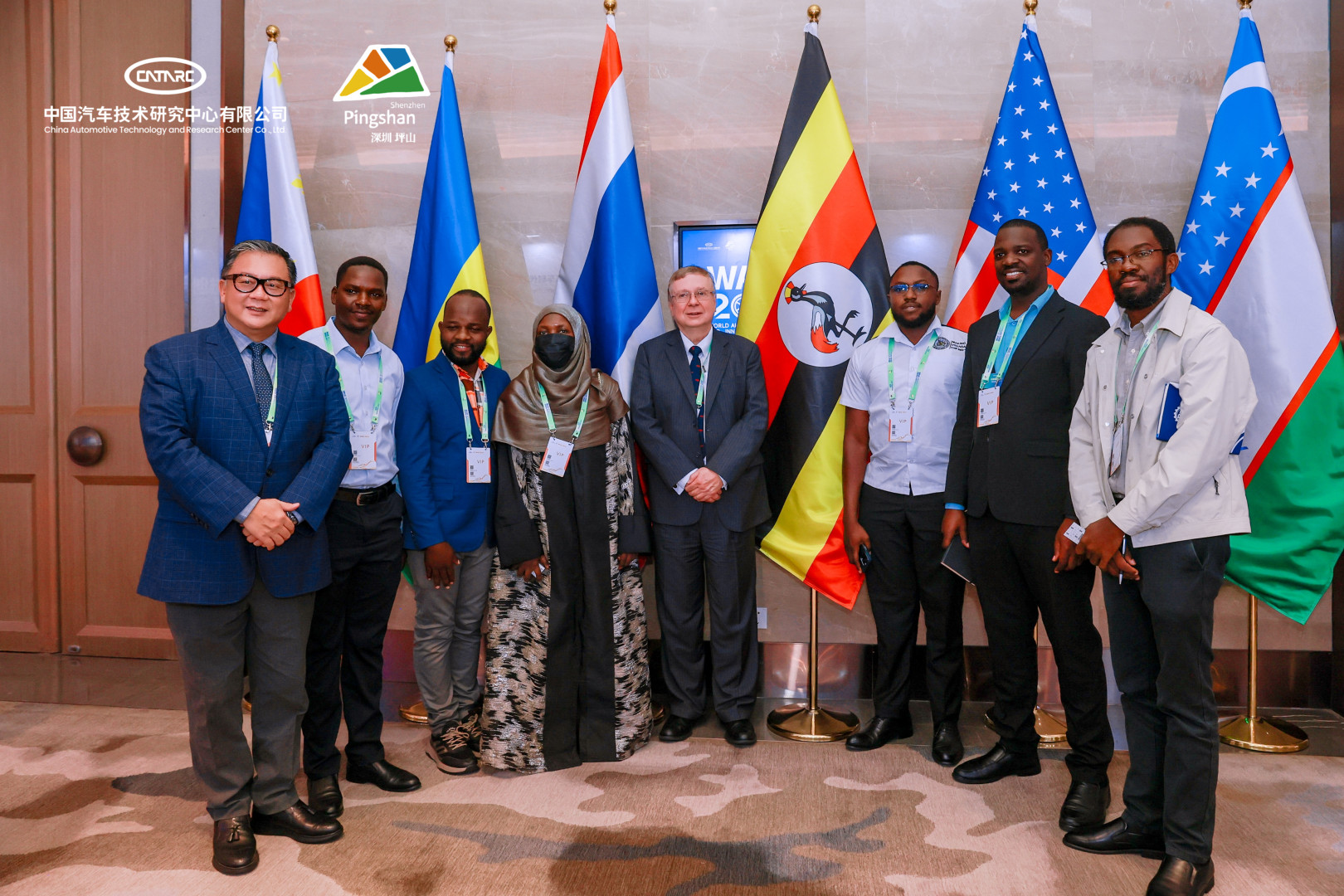
Under the theme “Building New Partnerships for Sustainable Development”, the conference brought together more than 300 representatives from international and regional organizations, government authorities, industry, academia, research institutions and media organizations from 14 countries and regions. Participants exchanged views on the future of automotive standardization, international cooperation and sustainable industrial development.
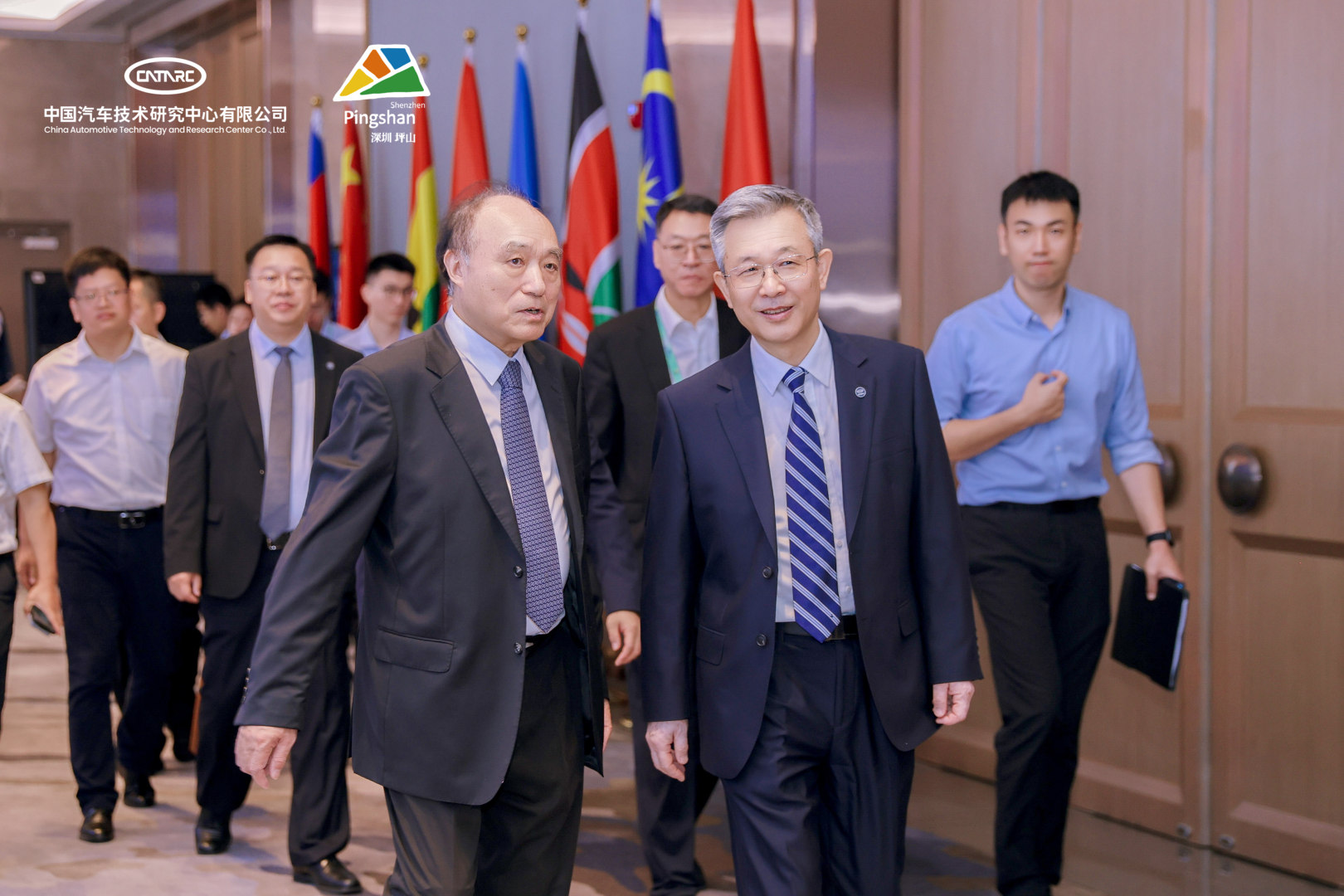
An Tiecheng, Chairman of CATARC, emphasized that standards serve as a common language for the global automotive industry and play a key role in promoting connectivity, innovation and international collaboration. He highlighted the importance of advancing standardization in emerging technologies, strengthening industrial cooperation, accelerating digital transformation and expanding international partnerships to support the future development of the automotive sector.
Representatives from China’s Ministry of Industry and Information Technology (MIIT) and the State Administration for Market Regulation (SAMR) reaffirmed China’s commitment to enhancing automotive standardization, improving the quality of standards development, accelerating the formulation of key standards and strengthening international regulatory cooperation.
Sun Wei, Deputy Director General of the Department of Standards Innovation Management at SAMR, noted that 47 Chinese automotive standards have already been recognized and adopted by multiple countries. She also highlighted ongoing efforts to promote international cooperation, facilitate access to translated standards and strengthen the integration of technological innovation and standardization.
During the conference, CATARC released and presented 27 English-language versions of Chinese national standards covering key areas of the new energy vehicle sector, including vehicle safety, charging infrastructure and battery recycling. These standards are expected to support international technical exchange, regulatory coordination, testing and certification activities, as well as broader industrial cooperation.
The conference also marked the signing of a Memorandum of Understanding between CATARC and the Ghana Standards Authority. The agreement aims to strengthen cooperation in automotive standards, technical regulations, information exchange, capacity building and international standards coordination, while supporting the development of the automotive sector in both countries.
In addition, CATARC signed a cooperation agreement with the Institute of Standards of Cambodia under the framework of the United Nations Sustainable Development Goals and Automotive Standardization Action Project. As the first country-level implementation initiative of its kind in ASEAN, the project is intended to support the development of Cambodia’s automotive standardization system, particularly in the field of electric vehicles, while further strengthening bilateral cooperation between China and Cambodia.
As one of China’s leading pilot areas for intelligent connected vehicles and vehicle-road-cloud integration, Shenzhen’s Pingshan District continues to promote innovation in smart mobility and advanced transportation technologies. The conference provided an important platform to showcase these developments and encourage broader international collaboration.
A series of parallel forums and dialogue sessions were held throughout the event, covering topics such as vehicle safety standards, future mobility ecosystems, advanced automotive technologies, China–Africa automotive standards cooperation, overseas market access regulations and China–ASEAN standards collaboration.
As a founding member of our Association, CATARC continues to make important contributions to automotive standards innovation and international cooperation. Our Association will continue to support global dialogue, knowledge exchange and collaboration among industry stakeholders, standardization bodies and international organizations, contributing to the sustainable development of the global automotive sector.